
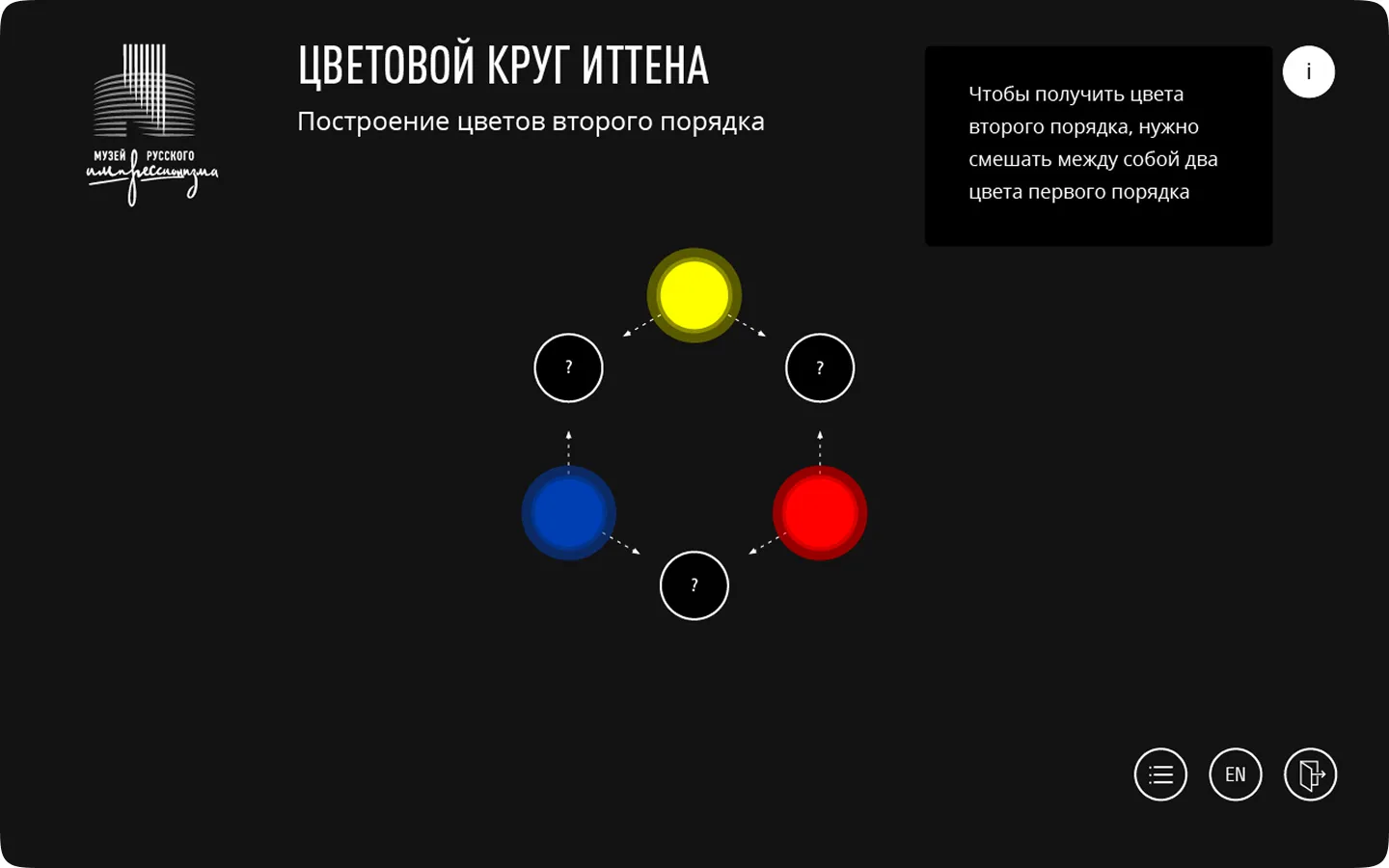
This case is part of the series of interactive installations for the Museum of Russian Impressionism, created for the museum opening in 2016.
The installation combined two connected parts: color and light. They belong together because both deal with how people see an image, a surface, a material, and the result of an experiment.
Color
The color part moves from historical ideas about color to Johannes Itten's color wheel and the mixing of primary colors.
The visitor chooses colors, mixes them, and immediately sees the result. The interaction keeps the main idea simple: not to read a definition, but to check the principle visually.
Light
The other part explained the physics of light.
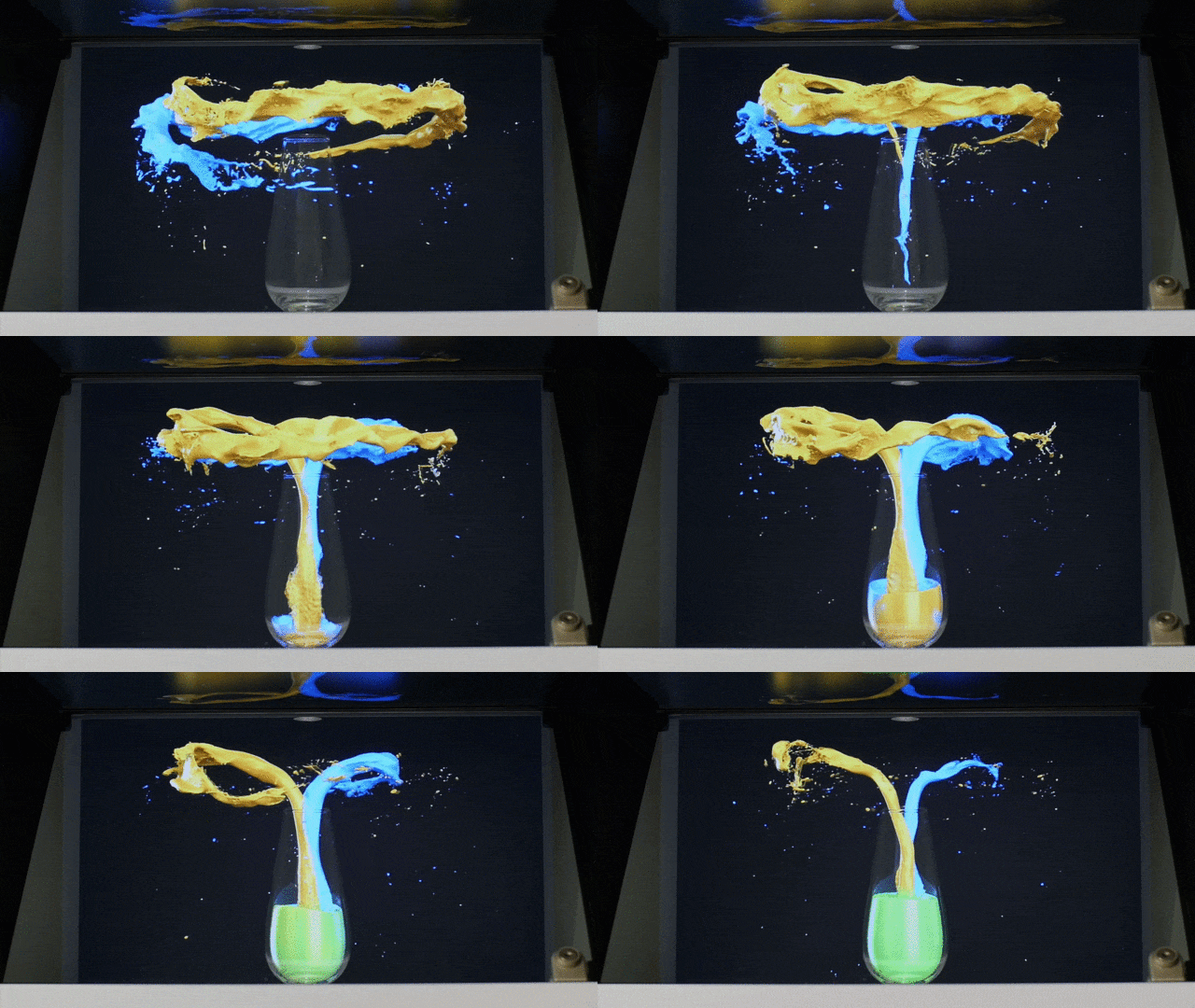
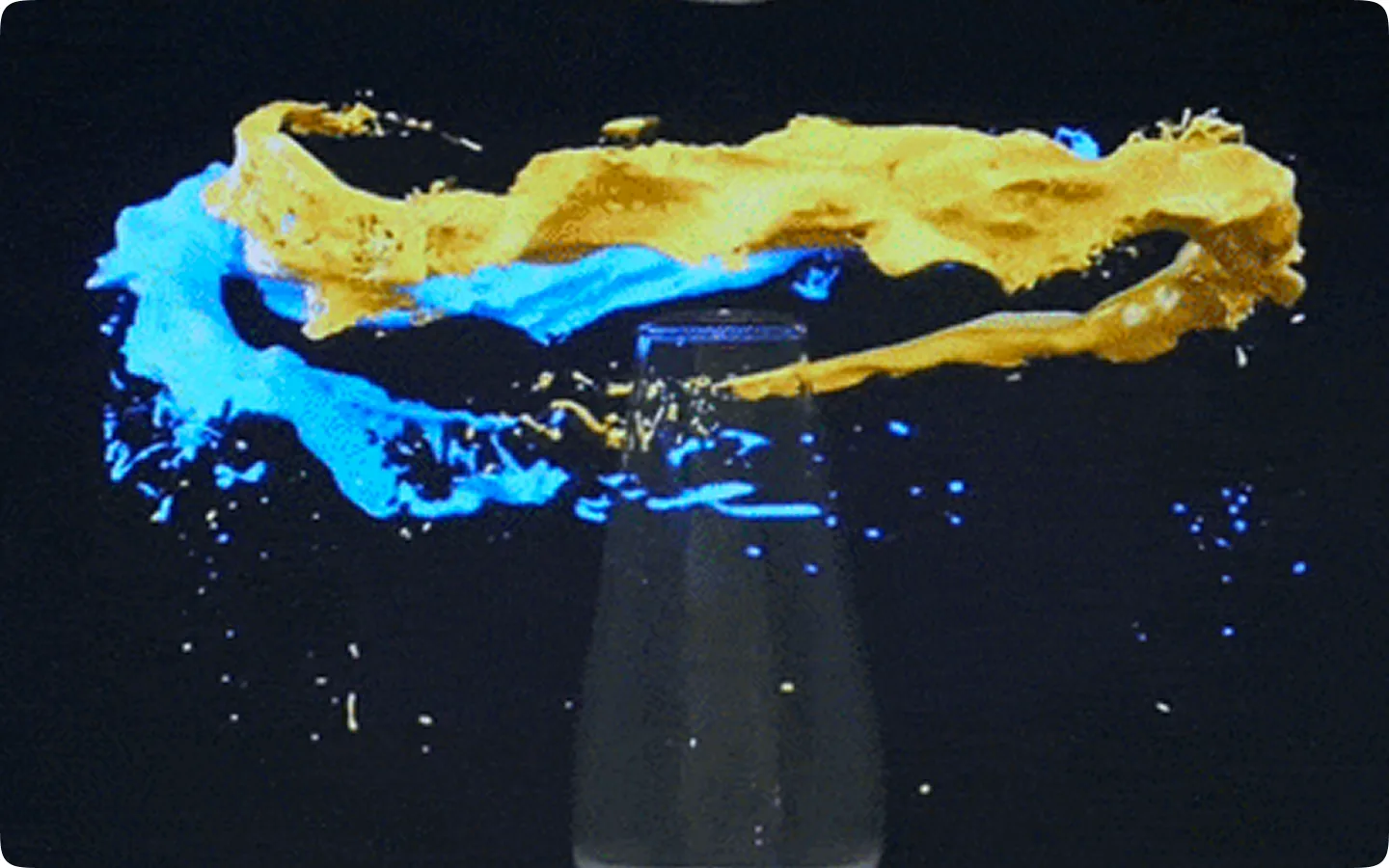
Inside a box there is a vessel, with two figures on different sides. One is matte, the other is glossy. The visitor moves the light source, changes its color, and changes the color of the figures and the liquid. This makes it possible to see how material, surface, color, and light position affect perception.
Design problem
This was not only a screen task, but an interface for a controlled physical model. The visitor changes a parameter and immediately sees the consequence. If the link between action and result is unclear, the installation becomes a beautiful simulation without understanding.
In the color part, the interface had to be especially restrained because color itself was the subject. In the light part, light position, selected color, object material, liquid color, and scene result had to form one readable state.
Takeaway
The installation shows how theory can become a museum experiment. The interface does not explain everything in advance. It gives the visitor a short action and a visible result.
Related cases
Back to the series. Related installations: How Paintings Are Made, Artist Tools, Artist Workshop Dioramas, Map of Impressionism.